Exploring new destinations should be fun for everyone. Wheelchair accessible places ensure people with mobility challenges can enjoy outings safely and comfortably. From restaurants and parks to museums and shopping centres, these places provide ramps, wide pathways, and accessible facilities. Finding suitable locations makes trips stress-free and inclusive. This guide will help you discover, plan, and enjoy wheelchair accessible places wherever you go.
Understand Your Accessibility Needs
Before visiting any location, consider your specific requirements. Do you need ramps, wide aisles, or accessible restrooms? Think about whether you require seating, elevators, or staff assistance. Knowing your needs makes it easier to choose destinations that are truly wheelchair accessible. Preparing in advance ensures a smooth and enjoyable experience.
Research Wheelchair Accessible Places
Start by researching places that advertise accessibility features. Look for ramps, automatic doors, wide entrances, and accessible toilets. Check online reviews from visitors who use wheelchairs to understand real-life experiences. Shortlisting destinations saves time and prevents disappointment. Research helps you find locations that genuinely support inclusive visits.
Contact Venues Directly
Calling or emailing a venue before your trip is highly recommended. Ask about wheelchair access, seating arrangements, parking, and staff assistance. Confirm if there are any temporary changes that might affect accessibility. Direct communication allows the venue to prepare for your visit. This step ensures a stress-free experience and builds confidence before arrival.
Check Parking and Transport Options
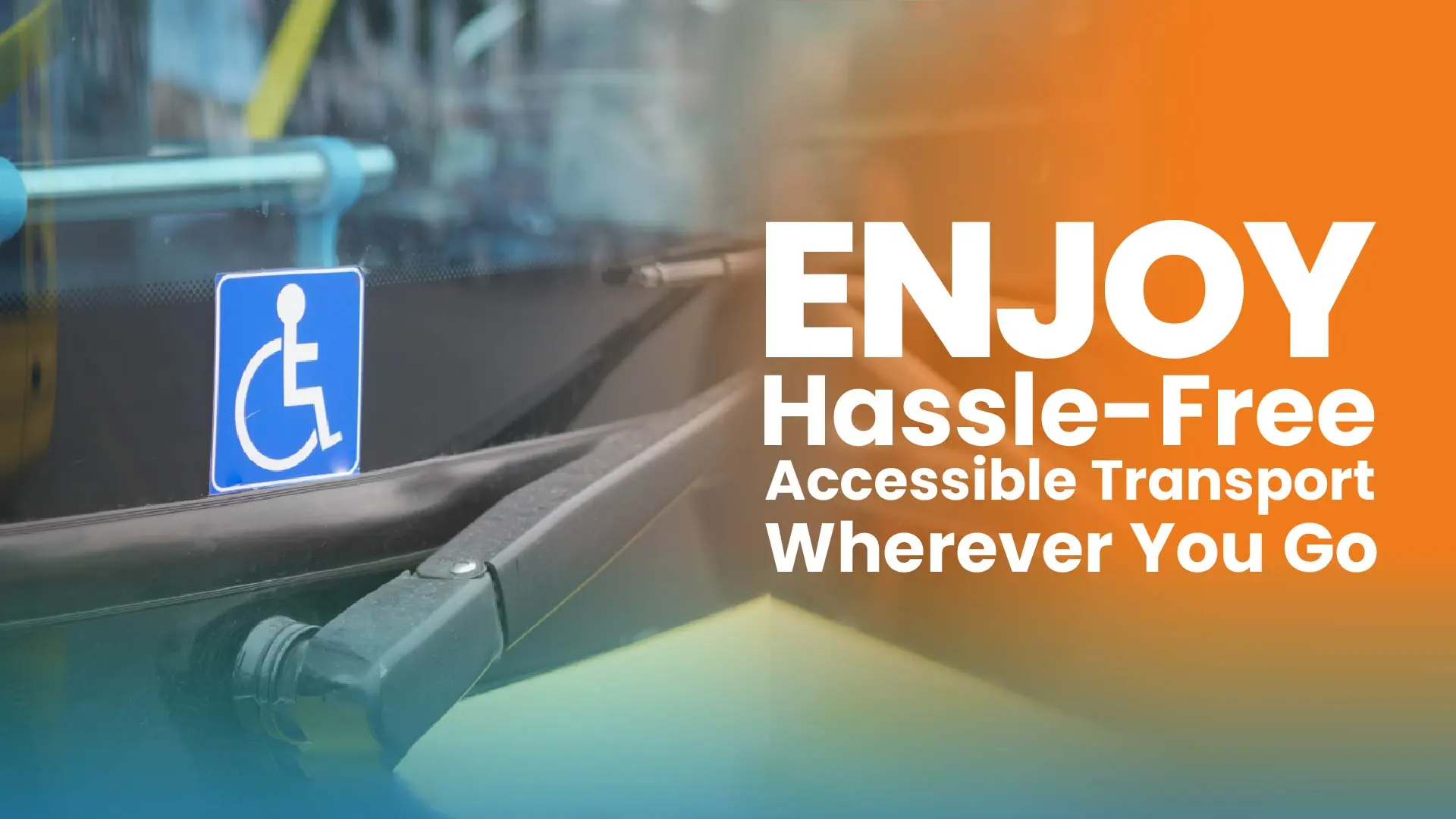
Accessible parking and transport play a big role in smooth trips. Look for spaces reserved for disabled visitors and smooth pathways from parking areas to entrances. Check if public transport near the location is wheelchair-friendly. Easy access from the start of your journey reduces stress and makes the trip more enjoyable. Accessibility outside the destination is just as important as inside.
Explore Facility Layouts
The layout of a place can make or break your experience. Wide aisles, clear signage, and uncluttered paths allow easy movement. Make sure there is enough space to turn a wheelchair safely. Places that prioritise layout make visits comfortable for everyone. A well-designed environment allows you to focus on enjoying your trip instead of navigating obstacles.
Check Restrooms and Changing Facilities
Accessible restrooms are essential for wheelchair users. Look for grab bars, spacious stalls, accessible sinks, and seating areas. Some venues also provide accessible changing rooms or family-friendly facilities. Proper facilities ensure comfort and independence during visits. Well-equipped restrooms demonstrate a venue’s commitment to inclusivity.
Consider Staff Support
Trained staff can make a significant difference. Ask if employees are familiar with helping visitors with mobility challenges. Staff can assist with seating, navigation, or accessing facilities. Friendly and knowledgeable staff improve the overall experience. Knowing assistance is available creates confidence for visitors and makes the trip more enjoyable.
Use Technology to Plan Visits
Apps and websites can help you find wheelchair accessible places quickly. These platforms often include photos, reviews, and accessibility details. Some apps even allow you to book assistance or reserve accessible seating in advance. Using technology saves time and reduces surprises. Planning digitally ensures smoother and more reliable trips.
Plan Group or Family Visits
If visiting with friends or family, consider everyone’s needs. Make sure there is enough space for companions, strollers, or mobility aids. Checking group requirements ensures the visit is inclusive for all participants. Planning for everyone enhances the experience and encourages social interaction. Accessible trips should accommodate both individuals and groups comfortably.
Review Safety and Emergency Procedures
Safety is a crucial factor at all wheelchair accessible places. Check for emergency exits, evacuation procedures, and staff training. Knowing these measures increases confidence during visits. Safe venues ensure that visitors can enjoy their time without unnecessary worry. Being prepared allows everyone to focus on fun and exploration.
Look for Special Programs or Events
Many accessible locations offer programs, tours, or events tailored for wheelchair users. These might include guided tours, workshops, or sensory-friendly activities. Participating in these programs enhances the experience and encourages engagement. Special events often provide additional support and enjoyment for all visitors. Accessibility should be combined with opportunities to explore and learn.
Read Reviews from Other Visitors
Reviews from people who use wheelchairs provide honest feedback about accessibility. Look for comments on ramps, restrooms, staff support, and ease of navigation. Multiple reviews give a complete picture of the venue’s accessibility. Reading feedback helps you make informed decisions about where to visit. Real experiences ensure your trips are as stress-free as possible.
Final Thoughts
Wheelchair accessible places allow everyone to enjoy trips safely, comfortably, and independently. By understanding your needs, researching destinations, confirming accessibility, and planning ahead, you can have a smooth and enjoyable experience. Considering layout, facilities, staff support, transport, and safety ensures stress-free visits. Accessible places promote inclusion, confidence, and enjoyment for all. With preparation and awareness, every trip can be fun, memorable, and fully accessible.
Frequently Asked Questions (FAQs)
1. What are wheelchair accessible places?
Wheelchair accessible places are locations designed to accommodate visitors with mobility challenges. Features include ramps, wide doors, accessible restrooms, and supportive staff.
2. How can I find wheelchair accessible places nearby?
Search online for venues with accessibility features, check apps, read reviews from other wheelchair users, or contact locations directly.
3. Are all public places required to be wheelchair accessible?
Not all are legally required, but many follow accessibility standards. Confirming in advance ensures the location meets your needs.
4. Can wheelchair accessible places accommodate groups?
Yes, many destinations provide enough space for companions and mobility aids. Planning ahead helps ensure a comfortable visit for everyone.
5. What special programs might be available at accessible places?
Some venues offer guided tours, workshops, sensory-friendly events, or tailored activities for visitors using wheelchairs.
6. How do I ensure a safe visit to wheelchair accessible places?
Check for emergency exits, staff support, and safety procedures. Planning ahead and confirming accessibility ensures a secure and enjoyable trip.




Leave a Comment
Your email address will not be published. Required fields are marked *