Finding the right stores and making your shopping trip easy can be challenging if you need accessible shopping. Everyone deserves a safe and comfortable shopping experience. Accessible shopping ensures that people with disabilities, mobility challenges, or other needs can enjoy visiting stores, markets, and malls without stress. This guide provides practical tips to make your shopping trips smoother, more inclusive, and enjoyable.
Understand Your Accessibility Needs
Before heading out, think about your personal requirements. Do you need wheelchair ramps, wide aisles, or accessible changing rooms? Consider whether you require assistance with reaching shelves or carrying items. Knowing your needs helps you focus on stores that can meet them. Making a list of priorities makes the shopping trip smoother and less stressful.
Research Stores in Advance
Start by looking for stores that highlight accessibility features. Many large stores provide details on their websites about ramps, automatic doors, or accessible toilets. Reading reviews from other customers can provide real insights into real-world accessibility. Shortlisting stores saves time and helps you avoid frustration. Planning ahead is a key step in accessible shopping.
Contact the Store Directly
Calling or emailing the store before visiting can prevent surprises. Ask about wheelchair access, accessible restrooms, and staff support. Confirm if there are any temporary restrictions or renovations that might affect accessibility. Direct communication ensures the store can meet your specific needs. This step improves confidence and reduces anxiety before your visit.
Check Parking and Transport Options
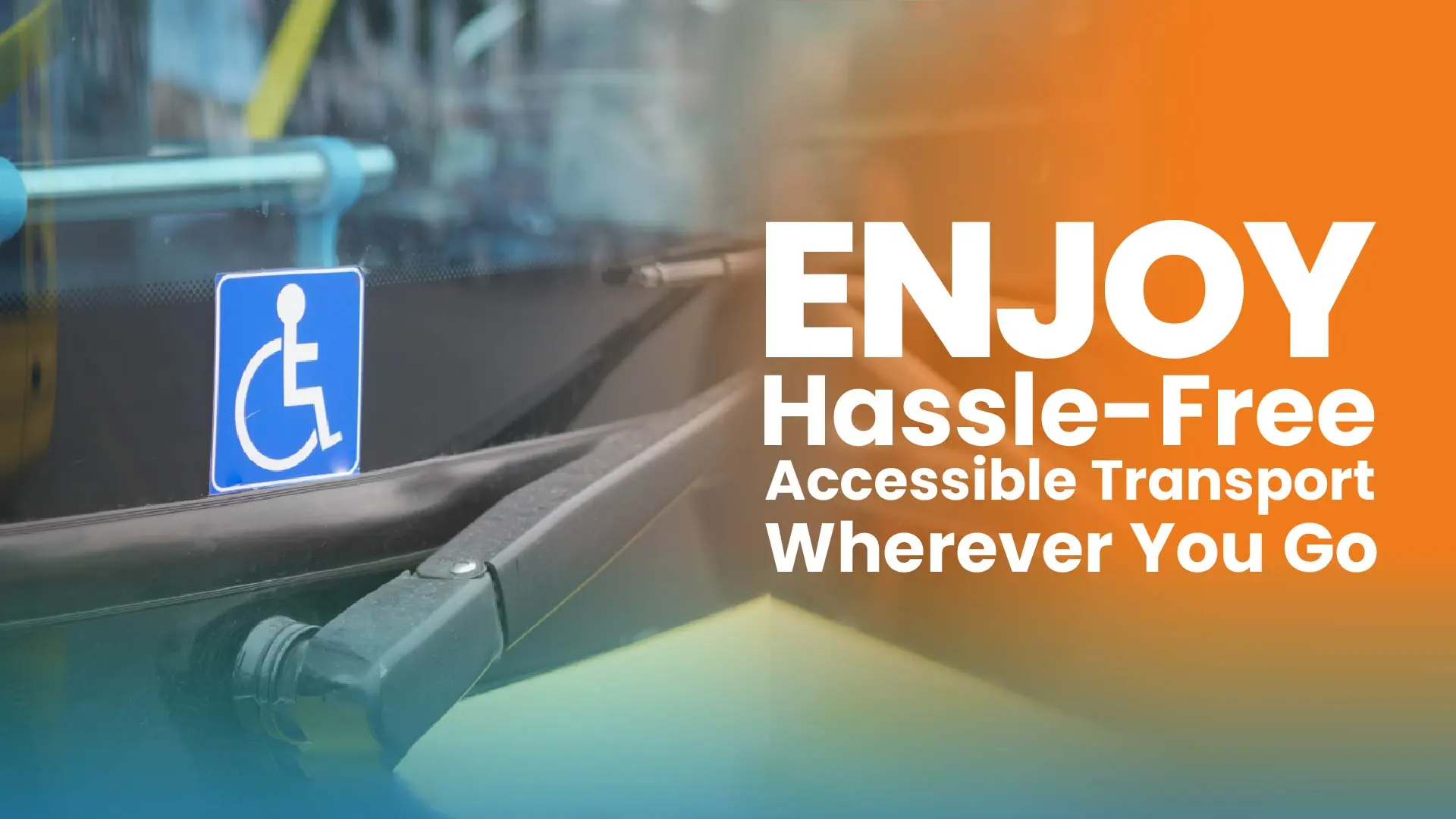
Location and parking play a big role in accessible shopping. Look for parking spots reserved for disabled shoppers. Check if pavements and entrances are smooth and easy to navigate. If public transport is needed, ensure buses or trains nearby are wheelchair-friendly. Easy access to the store improves the overall shopping experience.
Examine Store Layout
Store layout affects how easy it is to move around. Look for wide aisles, uncluttered spaces, and accessible shelves. Ensure there is enough room to turn a wheelchair or mobility aid safely. Stores that prioritise accessible layout make shopping easier and more enjoyable. Proper layout also reduces stress for everyone, not just those with disabilities.
Check for Accessible Facilities
Accessible shopping means more than ramps and wide doors. Check for accessible restrooms, fitting rooms, and counters. Some stores provide low checkout counters or seating areas. Fully accessible facilities make your visit comfortable and safe. A store that considers these details shows care for all customers.
Look for Staff Assistance
Staff support can make a big difference. Ask if employees are trained to help customers with disabilities. Friendly staff can assist with reaching items, carrying purchases, or guiding you through the store. Good service enhances accessibility and overall enjoyment. Knowing help is available creates a stress-free shopping experience.
Use Technology to Plan Your Visit
Apps and websites focused on accessibility can help find suitable stores. These platforms often include reviews, photos, and detailed accessibility information. Using technology saves time and helps you find options that might not be easy to spot otherwise. Planning digitally ensures your shopping trip is smooth and organised.
Consider Group or Family Needs
If shopping with family or friends, consider everyone’s requirements. Ensure there is enough space for companions, strollers, or mobility aids. Check if stores allow multiple support people if needed. Planning for the whole group makes accessible shopping enjoyable for everyone. It also ensures no one feels left out during the trip.
Check Store Policies
Understanding store policies is important for accessible shopping. Some stores offer priority assistance, home delivery, or personal shopping services. Check if the store has specific hours for quiet or sensory-friendly shopping. Knowing policies ahead of time reduces surprises and allows for a smoother experience.
Explore Online Accessible Shopping
Sometimes shopping online can complement in-store visits. Many retailers provide accessible websites with easy navigation and product descriptions. Some even offer virtual consultations or online assistance for customers with disabilities. Online accessible shopping can save time and provide convenience. It is a great option when physical access is challenging.
Read Reviews from Other Customers
Reviews from other shoppers with disabilities provide honest feedback about accessibility. Look for comments about aisles, staff support, restrooms, and checkout processes. Multiple reviews help you make informed decisions. Real-world feedback ensures you choose stores that truly meet accessibility needs.
Plan for Emergencies
Safety should always be considered. Ask about emergency exits, staff assistance, and evacuation procedures. Knowing these details increases confidence and security while shopping. Accessible stores with clear emergency plans offer peace of mind for all customers.
Final Thoughts
Accessible shopping makes it possible for everyone to enjoy a safe and comfortable experience. By understanding your needs, researching stores, confirming accessibility, and planning ahead, you can make your shopping trips easier and more enjoyable. Considering store layouts, staff support, parking, and group requirements enhances the overall experience. Accessible shopping is not just about meeting basic requirements—it is about ensuring everyone feels included and empowered. With careful preparation and planning, your shopping experience can be smooth, stress-free, and fun.
Frequently Asked Questions (FAQs)
1. What are accessible shopping options?
Accessible shopping options are stores and services designed to be inclusive for people with disabilities. They include features like ramps, wide aisles, accessible toilets, and staff support.
2. How do I find accessible shopping nearby?
Search online for stores with accessibility features, read reviews from other shoppers, and contact stores directly to confirm facilities.
3. Are all stores required to be accessible?
Not all stores are legally required, but many follow accessibility standards. Checking in advance ensures a store meets your specific needs.
4. Can accessible shopping accommodate large groups?
Yes, many stores provide space for companions, strollers, or mobility aids. It’s best to check and plan ahead if visiting with multiple people.
5. What should I ask the store about accessibility?
Ask about parking, entrance ramps, aisle width, fitting rooms, restrooms, staff assistance, and emergency procedures to ensure a smooth visit.
6. Is online accessible shopping a good alternative?
Yes. Many retailers offer accessible websites, virtual assistance, and delivery options, making online shopping convenient for those with mobility challenges.




1 Comment
uday
January 16, 2026hu
Leave a Comment
Your email address will not be published. Required fields are marked *